
Kopfhörer Handbücher
Anleitungen
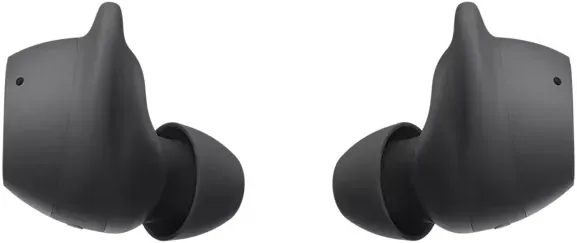
#Headphones Manuals ##Overview Headphones manuals are a valuable resource for users seeking to understand and maximize the performance, safety, and longevity of their audio devices. They serve as the official guide provided by manufacturers, detailing setup steps, operating instructions, care tips, troubleshooting, specifications, and warranty information. A well-written manual not only helps new users get up and running but also empowers experienced listeners to optimize sound quality, manage accessories, and handle common issues efficiently. In this description, we explore the purpose, structure, and best practices for creating and using headphone manuals, with emphasis on clarity, accessibility, and practical value.
##Purpose and Importance Headphones manuals fulfill several essential roles. They establish a direct line of communication between the maker and the user, ensuring that safety considerations are clearly conveyed. They provide calibrated guidance that aligns user expectations with the product’s capabilities, including supported impedance ranges, sensitivity, and recommended amplification. Manuals also reduce the likelihood of misuse that could damage the device or cause discomfort, such as listening at unsafe volume levels or mating unfamiliar cables incompatible with the device.
For new headphone models, the manual introduces creative features such as noise cancellation modes, ambient awareness settings, foldability, and detachable cables. It explains the conditions under which these features function optimally, including power requirements, firmware updates, and compatible devices. For established families of headphones, manuals can reference a universal framework while noting model-specific deviations. The end result is a reference document that streamlines setup, operation, and troubleshooting.
##Audience and Accessibility The primary audience for headphone manuals includes general consumers, audiophiles, technicians, and customer support agents. Manuals should cater to diverse technical skill levels, from casual listeners to professional editors. To maximize accessibility, manuals should use plain language, clearly defined terms, and consistent terminology. Visual aids such as diagrams, exploded views, and step-by-step illustrations can significantly reduce ambiguity and enhance comprehension. Multilingual translations expand reach and respect global users, while accessible design ensures readability for people with vision impairments or cognitive differences.
##Structure and Content Guidelines A well-structured manual typically follows a logical progression, beginning with essential safety information and moving through setup, operation, maintenance, troubleshooting, specifications, and service.
###Safety and Compliance
- Clear warnings about loud volume, prolonged exposure, and potential hazards.
- Instructions for safe usage in different environments (travel, commuting, sports, office).
- Battery handling guidelines, charging safety, and avoidance of overheating.
- Regulatory disclosures, certifications, and warranty terms.
###Package Contents and Compatibility
- List of included items (headphones, cables, adapters, case, manuals).
- Compatibility notes with devices (smartphones, PCs, gaming consoles) and operating systems.
- Information about optional accessories and where to obtain them.
###Setup and Connection
- Step-by-step pairing or wired connection instructions.
- How to correctly insert detachable cables, replaceable parts, and adapters.
- Firmware update process, app integration, and Bluetooth pairing tips.
###Controls, Features, and Modes
- Descriptions of buttons, touch controls, or switchgear.
- Explanations of features such as ANC (active noise cancellation), transparency mode, ambient sound, EQ presets, and voice assistant access.
- Guidance on selecting profiles, customizing equalization, and saving settings.
###Usage and Listening Tips
- Recommended impedance and volume ranges to prevent damage and hearing fatigue.
- Guidance on performance expectations across genres (music, movies, calls).
- Tips for optimizing comfort, fit, and seal for improved bass and noise isolation.
###Maintenance and Care
- Cleaning instructions for ear cushions, headbands, and cables.
- Guidance on storage conditions, humidity, and temperature considerations.
- Cautionary notes on lubrication (if applicable), and when to seek professional service.
###Troubleshooting
- Common issues (no sound, crackling, Bluetooth dropouts, echo) and corresponding fixes.
- Diagnostic steps and recommended service channels.
- Error codes and what they indicate.
###Technical Specifications
- Electrical specifications: impedance, sensitivity, frequency response, THD, signal-to-noise ratio.
- Mechanical specifications: weight, materials, connector types, cable length.
- Environmental and safety standards: operating temperature, safety class, certifications.
###Warranty and Support
- Coverage terms, claim process, and required documentation.
- How to contact customer support, availability of remote assistance, and repair options.
- Information about software updates, replacement parts, and service intervals.
###Return to Factory Settings and Updates
- Procedures for restoring defaults after firmware changes or EQ customization.
- Instructions for recalibrating or re-pairing devices after updates or reset cycles.
###Appendix and Glossary
- Quick-reference graphs, impedance vs. frequency charts, and recommended compatible devices.
- Glossary of common terms used in headphone technology and audio engineering.
##Best Practices for Creating Effective Manuals
- Clarity and conciseness: Use simple sentences, active voice, and direct instructions.
- Logical sequencing: Arrange content to mirror user tasks from unboxing to advanced customization.
- Visual aids: Include labeled diagrams, icons, and color-coding to reinforce text.
- Consistency: Standardize terminology, units of measurement, and formatting across sections.
- Accessibility: Provide alt text for images, scalable typography, and high-contrast options.
- Localization: Adapt content for cultural contexts and regional power standards.
- Updates: Implement version control and clearly mark the edition date and changes.
##Common Mistakes to Avoid
- Overloading the manual with jargon without explanations.
- Omitting safety warnings or under-emphasizing volume-related risks.
- Providing vague troubleshooting steps without concrete actions.
- Neglecting to describe compatibility with common devices and apps.
- Failing to update firmware or reflect newer features in the manual.
##Practical Examples and Scenarios
- Unboxing and initial setup: how to identify components, connect cables, and adjust fit.
- Everyday usage: switching between listening modes, applying EQ presets, and managing battery life.
- Travel and commuting: preserving battery, preventing cable damage, and fitting compact cases.
- Gaming and communications: optimizing latency, mic performance, and voice clarity.
- Maintenance routine: cleaning, storage, and clip or hinge checks before long-term storage.
##Conclusion Headphones manuals are more than instruction sheets; they are the foundation for safe, enjoyable, and lasting headphone experiences. A well-crafted manual empowers users to exploit the full potential of their headphones, ensuring correct setup, feature utilization, and ongoing care. By focusing on clarity, accessibility, and practical guidance, manufacturers and technical writers can produce manuals that reduce support load, increase user satisfaction, and extend product longevity. For users, investing time to read and reference the manual pays dividends in comfort, sound quality, and reliability, turning everyday listening into a consistently optimized experience.
Suche nach 8 Anleitungen online


Marke oder Modell eingeben